 Reviews


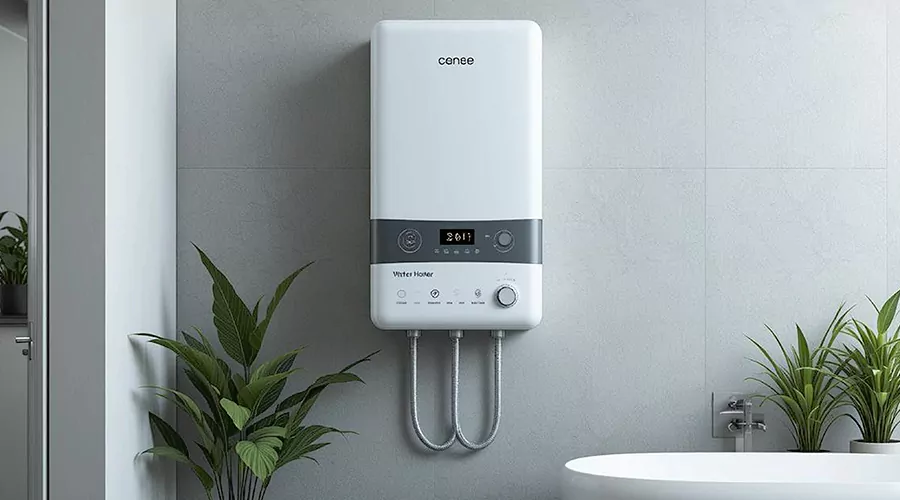
A tankless water heater costs $1,400 to $5,600 installed, depending on the fuel type. The machine is the smaller half of that number since the unit itself is only 30 to 50% of the total with labor and upgrades and venting and permits making up the rest.
The average price of tankless water heater projects lands near $3,100 for a gas condensing whole-home unit and $1,800 for an electric whole-home unit in 2026.
Fuel type sets your starting bracket. The sections below price each one honestly, including the upgrade costs the sales pages skip.
Average Price in 2026
Tankless water heater price quotes only compare when they name the same scope. Unit-only and installed and installed-with-upgrades are three different numbers. The table anchors all three before the fuel sections go deeper.
| Scenario | 2026 total installed |
|---|---|
| Point-of-use electric | $500 to $1,300 |
| Whole-house electric | $1,400 to $3,000 |
| Electric with panel upgrade | $2,700 to $6,000 |
| Natural gas | $2,000 to $3,800 |
| Propane full scope | $3,000 to $6,500 |
Every row shares one caveat. Replacing an existing tankless costs less than converting from a tank because conversions add gas resizing or venting changes or electrical upgrades.
Insider tip: Ask every bidder to quote the identical scope in writing. A $2,000 quote missing the venting line loses to a $2,600 quote that includes it.
Electric Tankless Water Heater Cost
Electric tankless water heater cost runs $600 to $1,000 for the unit alone or $1,400 to $3,000 total installed. Electric wins the installation simplicity contest since no venting or gas line work is required. The panel is where the simplicity ends.
Amperage is the hidden variable. Whole-house electric models draw 100 to 150 amps, and full electric tankless hot water heater cost climbs fast when the panel can't supply it because a panel upgrade runs $1,200 to $4,000. The cost of a tankless electric water heater therefore stays lowest in newer homes with modern 200-amp service and empty breaker slots.
Shop the unit with that math in mind. The electric tankless water heater price at the store answers half the question while your panel's data sticker answers the other half.
Insider tip: Photograph your panel's main breaker rating before getting quotes. That one number tells every bidder whether you're a $1,800 project or a $5,000 one.
Natural Gas Tankless Water Heater Cost
Natural gas tankless water heater cost runs $2,000 to $3,800 installed with metro markets reaching $4,500 for the unit and full professional installation. Gas buys the muscle since gas models reach 20 gallons per minute while electric tops out near 8.
Two line items drive the spread. Tankless natural gas water heater cost includes combustion venting at $200 to $600 through power vents or direct vents. The fuel line moves the number even more, and gas line work shifts tankless gas hot water heater cost by $360 to $2,000 when a new line or an upsized line is needed to feed the 150,000-plus BTU burner.
The payback lives at the meter. The tankless water heater gas price advantage shows in operation since natural gas fuel runs about $200 per year against higher electric and propane bills for the same hot water.
Propane Tankless Water Heater Cost
Propane tankless water heater cost runs $3,000 to $6,500 all-in for 2026 with roughly $900 to $2,200 for the unit and $1,500 to $3,500 for installation. The hardware matches natural gas almost exactly. The fuel bill is where propane pays its premium.
The requirements explain the quotes. Propane tankless units need a three-quarter-inch gas line for the peak burn plus stainless category III venting and a 120V outlet within reach, and each missing piece adds $200 to $1,500. Compatibility softens the sting since a natural gas tankless design can usually run on propane with the right conversion.
Operating costs settle the fuel debate. Propane runs about $350 per year against $200 for natural gas, so running a natural gas line still wins long-term wherever gas service is reachable.
Point-of-Use vs Whole House
Size class changes the budget by an order of magnitude. Single-point units sit beside the one faucet or shower they serve and cost $100 to $250. Whole-house tankless water heater costs start at $600 to $2,600 for the unit alone.
Read price tags through that lens. An instant water heater price under $250 describes a single-point unit rather than a bargain whole-home system. Likewise, a tankless hot water heater price on a retail shelf covers the box alone, while every installed figure in this article includes the labor.
The hybrid strategy deserves mention. Some homeowners run a whole-house unit for primary duty and add a single-point unit at a distant bathroom so simultaneous showers never fight.
Insider tip: Point-of-use units also solve the long-pipe-run problem cheaply. A $200 unit under a far kitchen sink beats upsizing the whole-house system for one faucet's wait time.
What Drives the Total?
Five factors move every quote regardless of fuel. Full tankless water heater system cost splits between the machine and four site variables. Know them and the bids stop looking random.
- Flow rate sizing: The average family needs 5 to 7 GPM to run a shower and dishwasher together, and higher GPM means higher unit cost. Undersizing causes performance problems while oversizing wastes money.
- Fuel infrastructure: Existing lines and vents and amperage decide whether you're swapping or converting.
- Labor rates: Installers charge $75 to $250 per hour with metro areas at the top.
- Permits: Permits and inspections add $100 to $500.
- Location access: Crawl spaces and tight utility closets increase labor hours.
Operating Costs and the Tax Credit
The purchase price is half the financial story. Annual operating costs run $75 to $300 for electric tankless and $175 to $350 for gas, depending on local rates and household demand. Those bills undercut tank heaters because nothing reheats overnight.
The federal credit trims the entry price. Energy Star certified gas tankless heaters qualify for a 30% federal tax credit up to $600, and the 25C credit covers high-efficiency models with a UEF of 0.95 or higher, which includes most modern condensing units.
The break-even math favors patient owners. The typical break-even lands around year 8 to 10, and homeowners staying 10-plus years see positive returns while short-term sellers rarely recover the premium.
One Machine With Many Names
Four labels describe identical equipment and identical pricing. Shoppers comparing across retailer categories should treat every name below as the same aisle. The engineering term explains them all.
On demand is the technical name, so the cost of on-demand water heater systems matches every figure in this article exactly. Retailers list the on-demand water heater price under either label interchangeably. Instant is the marketing cousin, and instant water heater cost searches return the same machines with the same GPM ratings. British and commercial spec sheets prefer the long form since instantaneous water heater cost is the phrasing on international documentation.
One shopping habit cuts through it. Compare units by GPM and UEF and exchanger material rather than by whatever the category page calls them.
How to Pay Less?
Five moves trim hundreds to thousands off the same finished system. None involves buying a worse unit. Timing and scope discipline do the work.
- Claim the credit: The 30% federal credit up to $600 applies to most condensing models, including installation costs.
- Match fuel to infrastructure: The cheapest project uses the lines and panel capacity your house already owns.
- Replace rather than convert when possible replacing an existing tankless costs notably less since the infrastructure exists.
- Get three itemized bids: Line-item quotes expose the venting and permit gaps that sink cheap headline numbers.
- Skip the oversize temptation buying two GPM beyond your calculated need buys nothing but price.
Conclusion
Tankless pricing is a fuel question wrapped around an infrastructure question. Electric starts cheapest until the panel objects, while gas costs more upfront and less per year. The unit is only a third to half of any honest quote. This week, count your simultaneous hot water uses and photograph your panel and gas meter. Those three facts turn every future bid into a number you can actually judge.
FAQs
Is a tankless unit cheaper than a tank overall?
Upfront no and long-term, often yes. The doubled lifespan and lower bills repay the premium for owners who stay past the break-even years.
Can I install a tankless unit myself to save labor?
Gas and hardwired electric installs need licensed pros and permits nearly everywhere. Point-of-use plug-in units are the DIY exception.
Why did my quote double after the site visit?
The visit revealed conversion work like line upsizing or venting. That's the 30 to 50% unit-to-total gap appearing in person.
Do condensing models cost more?
Yes at purchase and less over time. Higher efficiency plus credit eligibility usually favors them for whole-home duty.
What size does a two-bathroom home need?
Usually 6 to 8 GPM depending on climate since colder groundwater cuts effective flow. A sizing calculation beats guessing.
Does a tankless upgrade raise home value?
It's an attractive listing feature and appraisers increasingly recognize it. Recovery of the full cost at sale isn't guaranteed.